Skip to content
Boldfuse

Wellness & Mental Health

Parenting

Parenting techniques are tools and strategies that parents can use to effectively guide, support, and nurture their children’s development.

Our Parenting Philosophy

From parenting stress to family smiles.

By incorporating these parenting techniques into their daily interactions with their children, parents can promote positive behaviour, foster healthy development, and build strong, trusting relationships with their children. Parenting is not about achieving perfection; it is about building meaningful connection, offering consistent warmth, and providing a secure foundation where children feel heard and valued.

Every child has a unique personality, emotional pace, and set of developmental needs. As children transition through different milestones—from early childhood to adolescent self-discovery—parents frequently encounter unexpected behavioral challenges, emotional storms, and communication hurdles. Having structured, evidence-based tools helps parents respond with calm authority rather than reactive frustration.

Our parenting guidance emphasizes empathetic communication, clear boundaries, and emotional regulation. By equipping families with practical coping mechanisms and proactive parenting strategies, we help create home environments grounded in mutual respect, resilience, and lasting family harmony.

Specialized Guidance

Common Techniques of Parenting

Practical, evidence-informed strategies to nurture healthy development, strengthen bonds, and guide children with confidence and care.

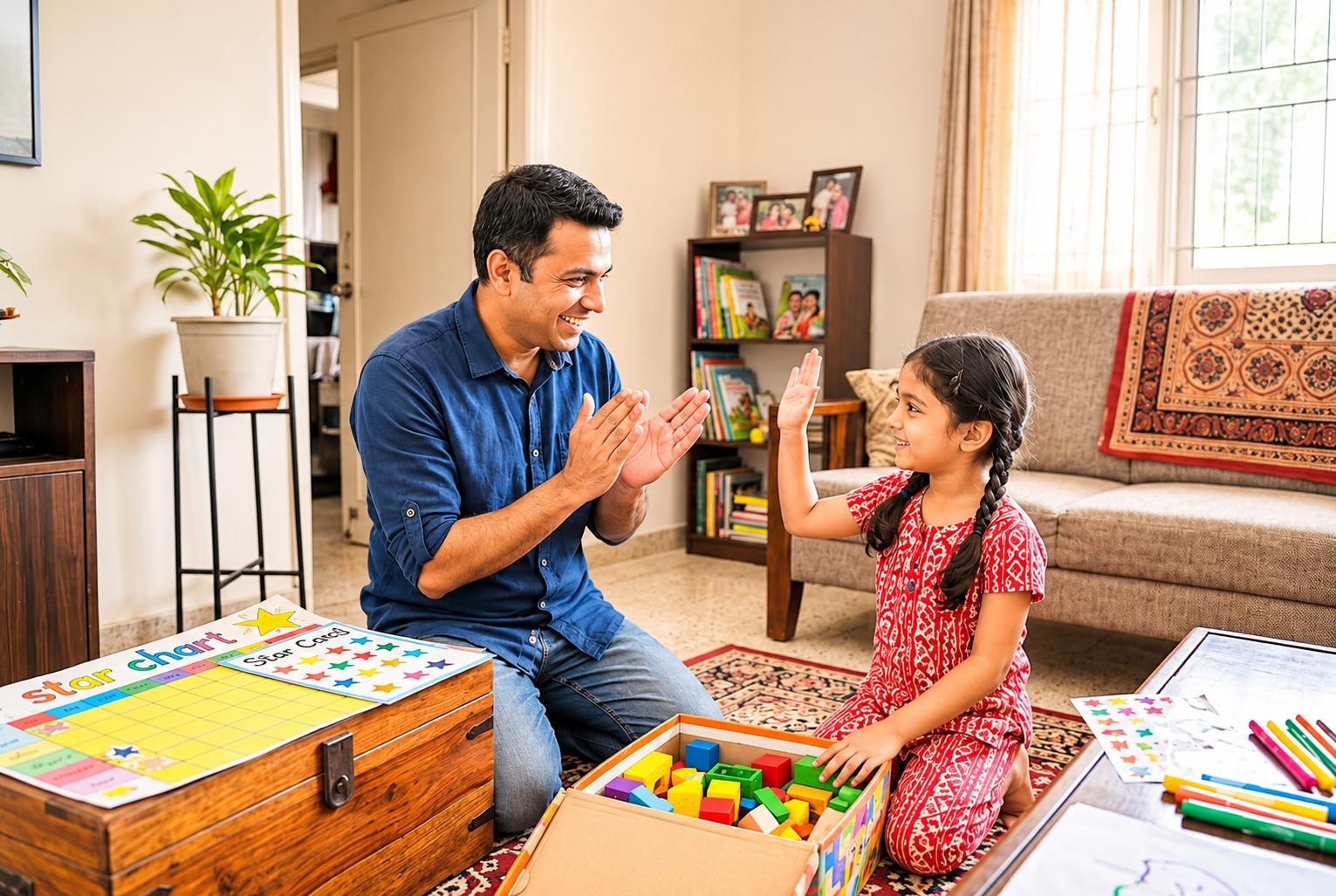
Parent praising and encouraging child with positive reinforcement

Positive Reinforcement

This technique involves praising or rewarding children for desired behaviors. Positive reinforcement can include verbal praise, stickers, privileges, or other incentives. By rewarding positive behaviors, parents encourage their children to continue behaving in similar ways.

Parent setting clear boundaries and positive expectations with child

Setting Clear Expectations and Limits

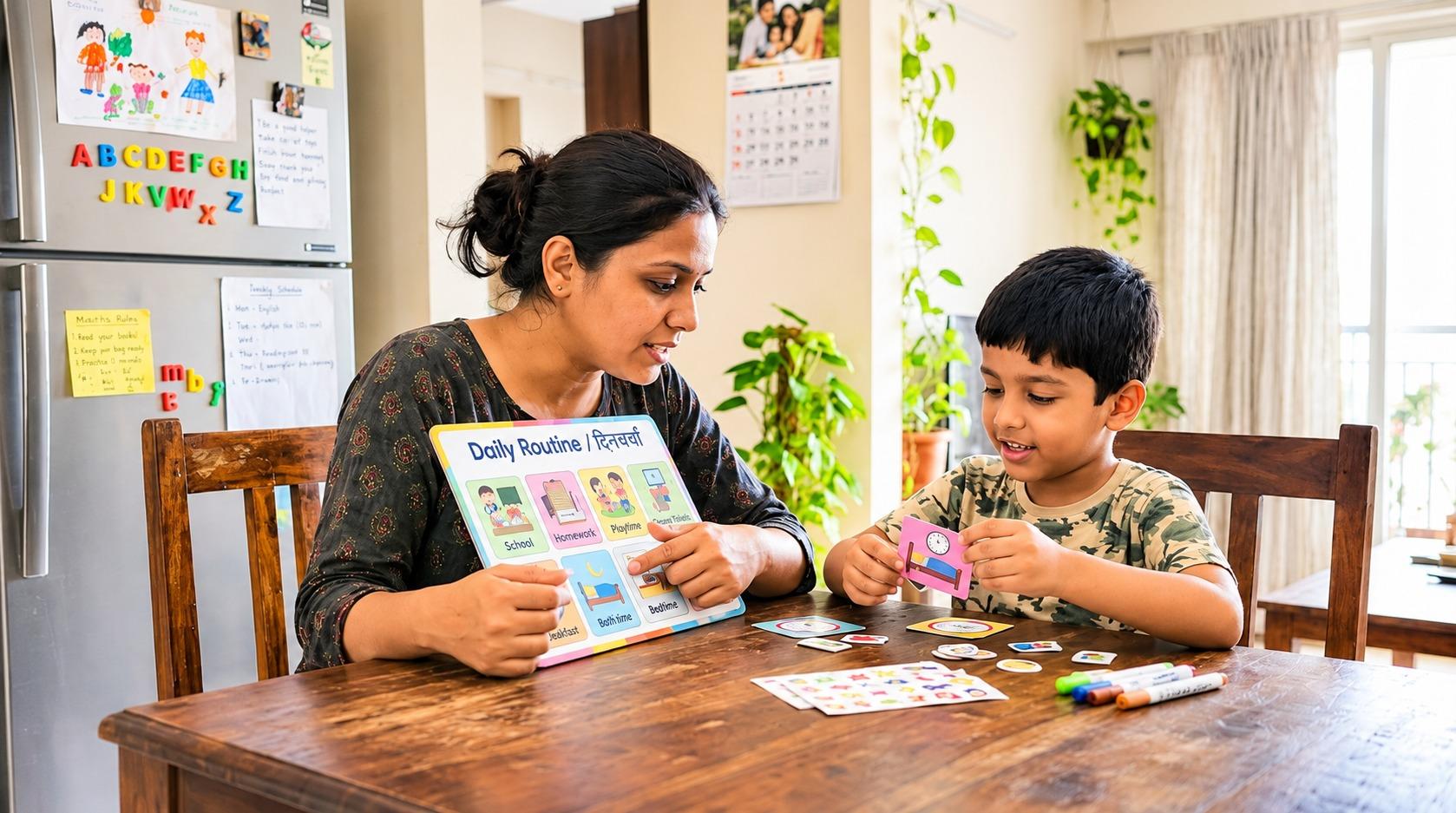
Establishing clear expectations and boundaries helps children understand what is expected of them and what behaviors are acceptable. Consistency is key in enforcing these expectations, as it provides children with a sense of structure and predictability.

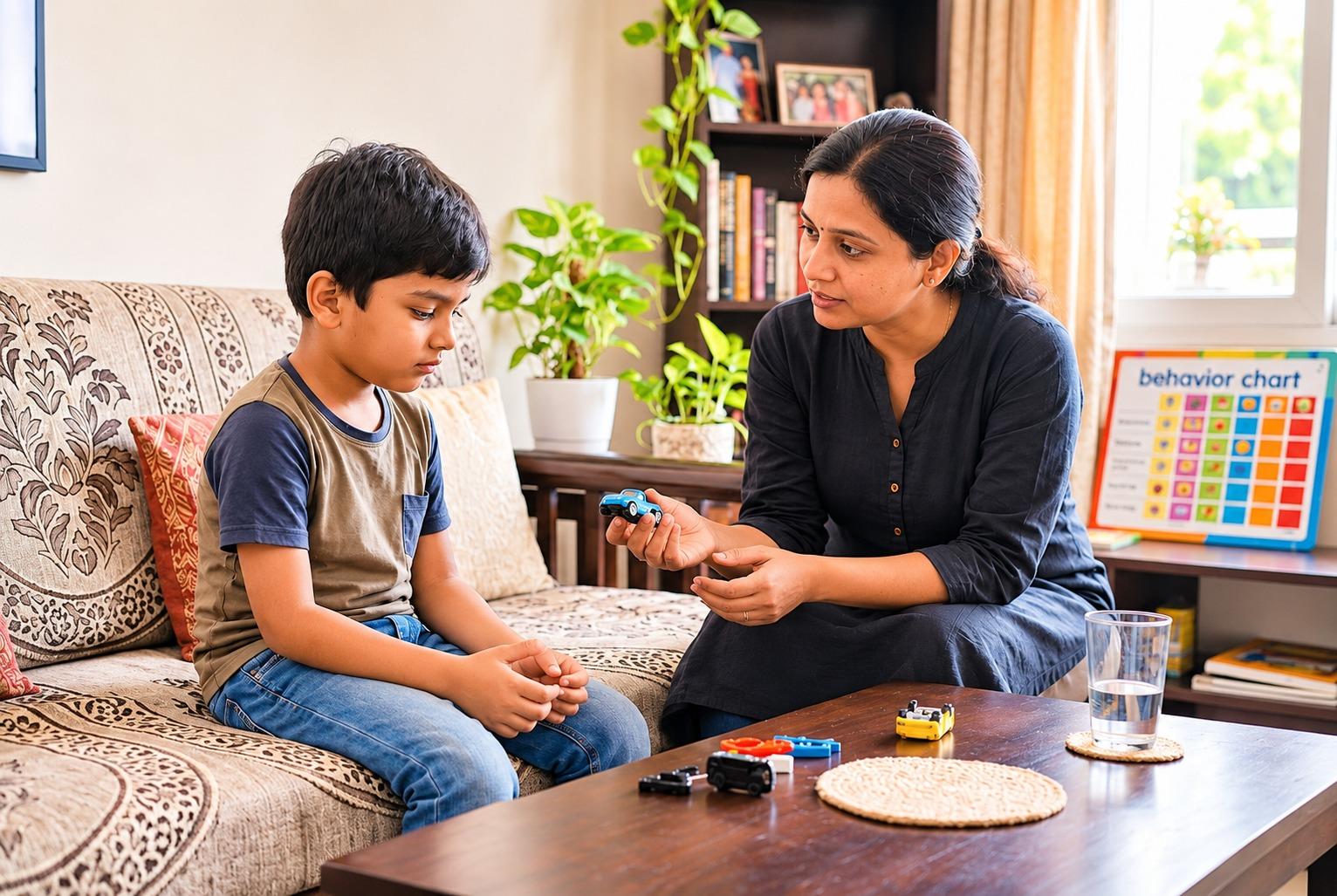
Calm and consistent guidance and discipline between parent and child

Consistent Discipline

Discipline involves teaching children appropriate behavior and setting consequences for misbehavior. Effective discipline techniques include time-outs, loss of privileges, logical consequences, and positive reinforcement of desired behaviors. It’s important for parents to remain calm and consistent when enforcing discipline.

Parent actively listening and attentively connecting with child

Active Listening

Active listening involves fully engaging with and understanding what children are saying. Parents can demonstrate active listening by maintaining eye contact, nodding, summarizing what their children have said, and validating their feelings. This technique helps strengthen the parent-child bond and encourages open communication.

Parent demonstrating positive behavior and empathy as a role model

Modeling Behavior

Parents serve as role models for their children, so it’s important for them to demonstrate the behaviors they want to see in their children. Modeling kindness, empathy, respect, and problem-solving skills teaches children valuable life lessons and encourages them to emulate positive behaviors.

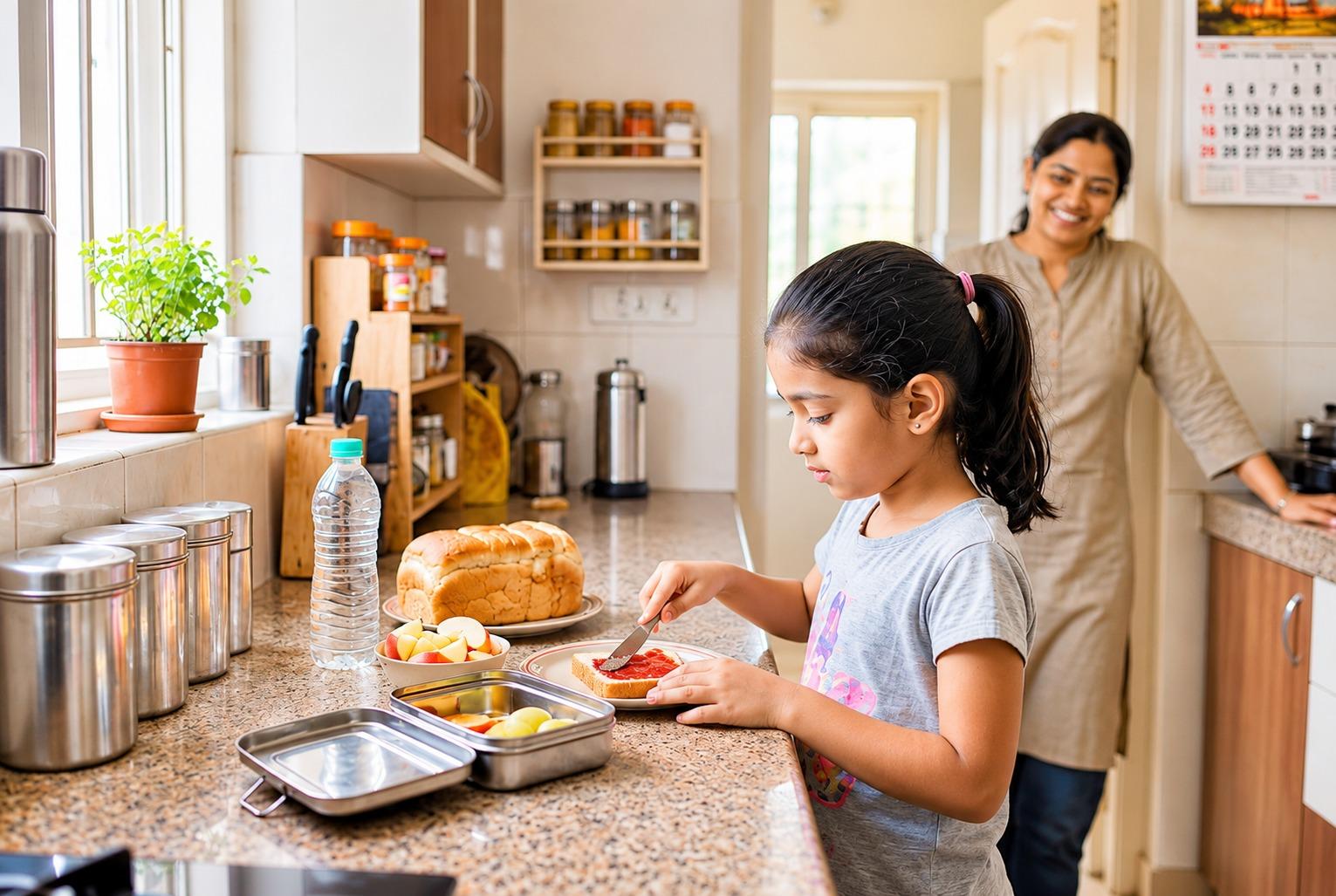
Child developing confidence and problem-solving independence

Encouraging Independence

Encouraging independence helps children develop confidence, problem-solving skills, and a sense of responsibility. Parents can foster independence by allowing their children to make age-appropriate choices, encouraging them to solve their own problems, and providing opportunities for them to learn new skills.

Parent comforting child with warmth and empathetic emotional support

Emotional Support

Providing emotional support involves validating children’s feelings, empathizing with their experiences, and offering comfort and reassurance during difficult times. Parents can create a safe and supportive environment where children feel comfortable expressing their emotions and seeking help when needed.

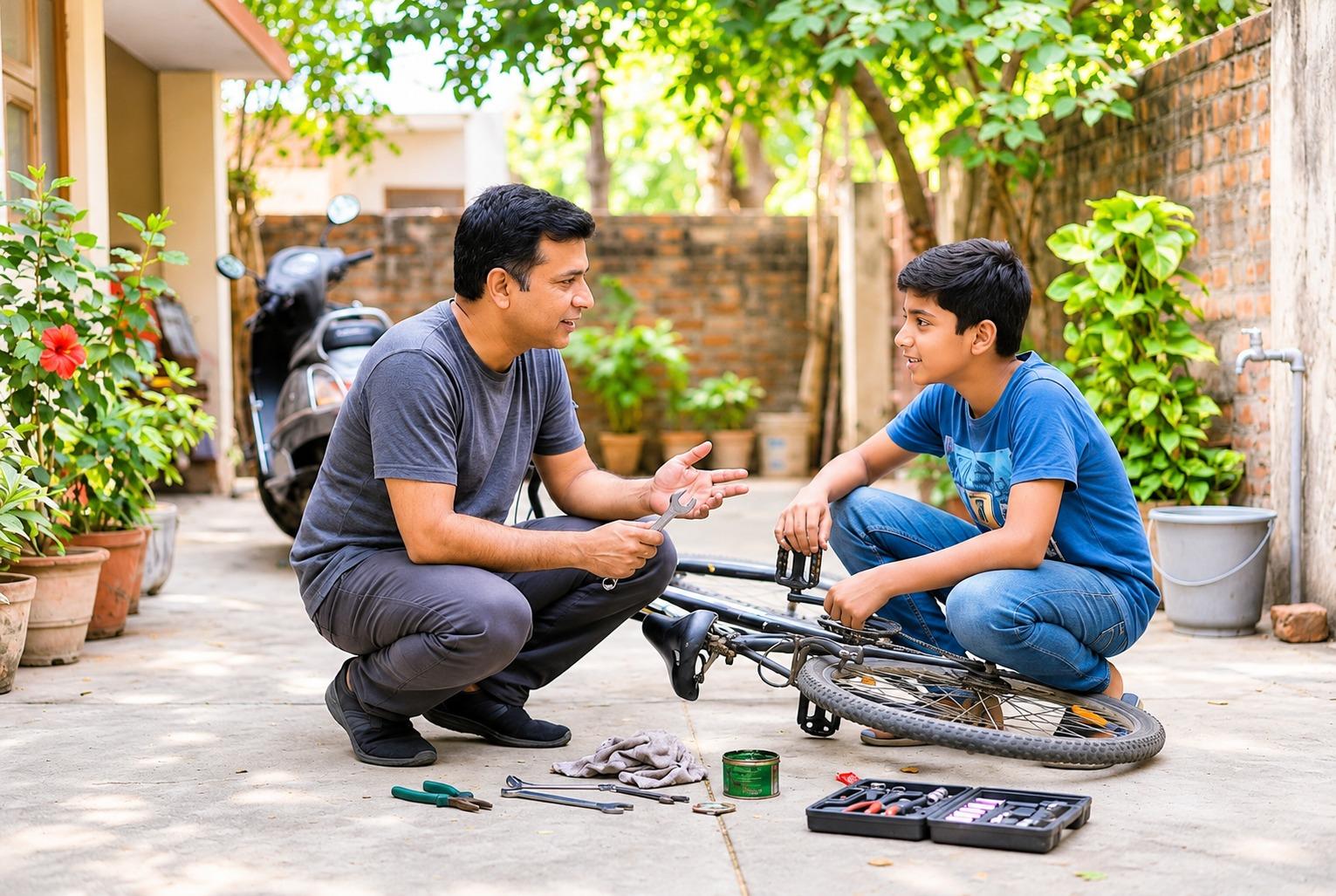
Open and respectful communication between parent and child

Effective Communication

Effective communication involves expressing thoughts, feelings, and expectations clearly and respectfully. Parents can improve communication with their children by using active listening skills, speaking calmly and assertively, and avoiding criticism or judgment.

Parent and child sharing joyful quality time together

Quality Time Together

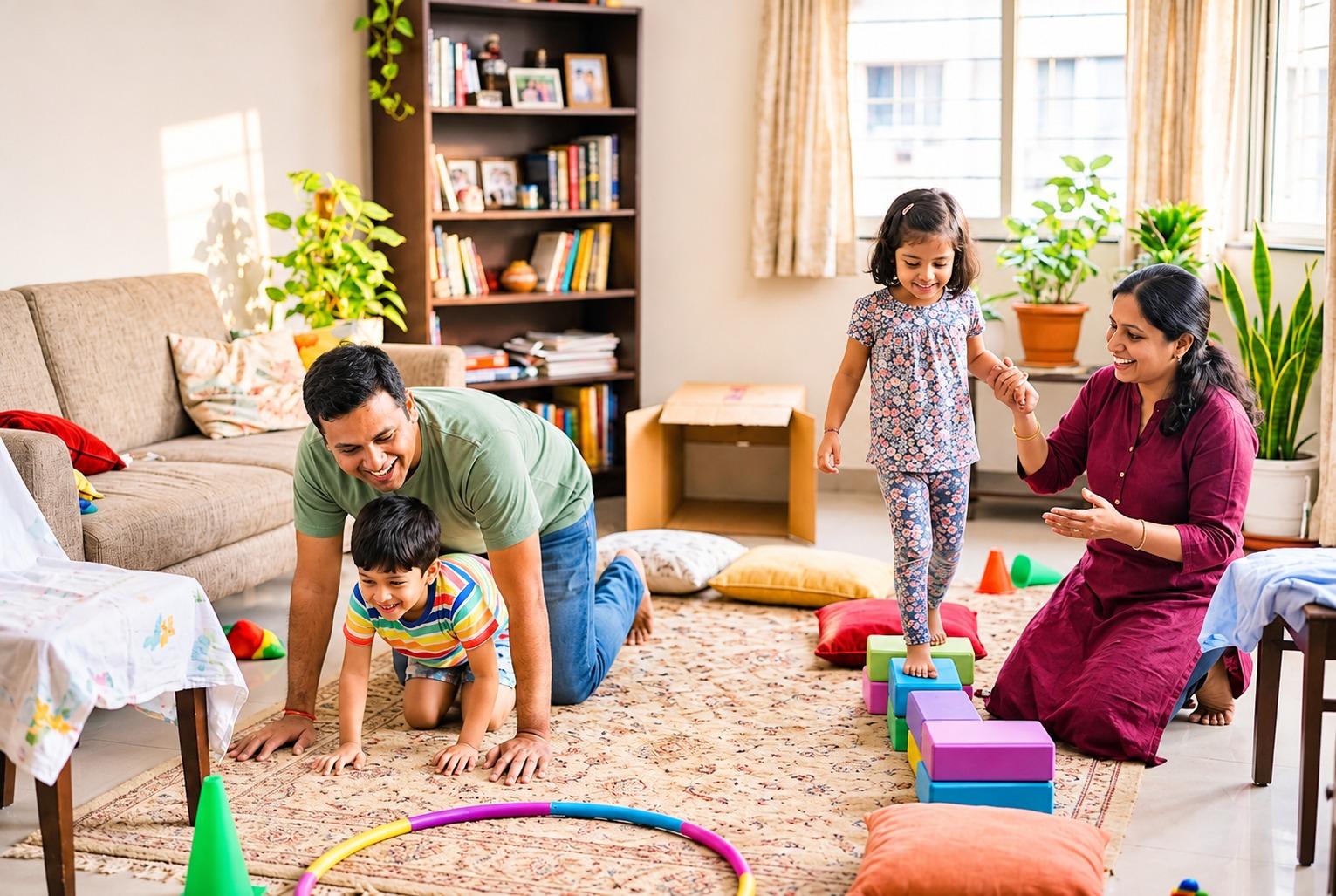
Spending quality time together strengthens the parent-child bond and creates lasting memories. Parents can engage in activities that their children enjoy, such as playing games, reading books, going for walks, or cooking together. Quality time allows parents to connect with their children and show them love and support.

Flexible and adaptable parenting approach tailored to child's needs

Adaptability

Parenting techniques may need to be adjusted based on the individual needs and temperament of each child. Being flexible and adaptable allows parents to tailor their approach to meet their children’s changing developmental stages and challenges.

We grow when you grow

Build a stronger healthcare business.